


Offshore and Maritime Medical Readiness and Insurance
- Written by: iPMI Global
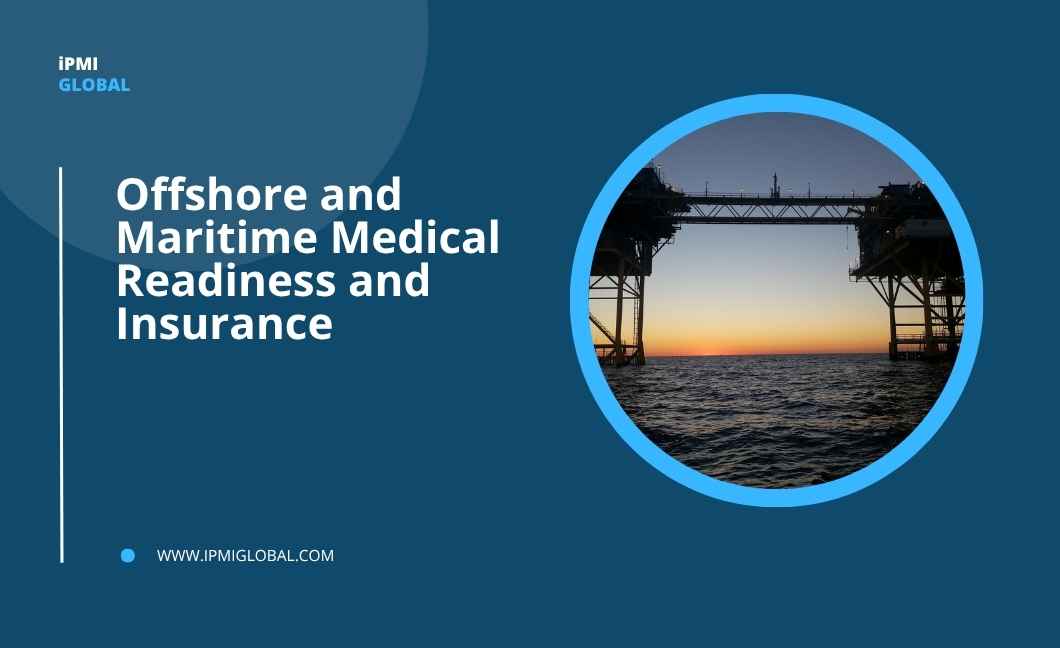
The briefing details the unique and elevated hazards found in these environments, such as exposure to physical extremes, hazardous substances, and psychosocial stressors like isolation, emphasizing that these factors necessitate specialized medical readiness. The text explains that health insurance provides financial protection and corporate risk mitigation for injuries or long-term occupational diseases, while dedicated medical assistance covers the practical delivery of care, including on-site readiness, telemedicine, and emergency evacuation logistics. Ultimately, the article argues that investing in these integrated health services is essential for operational continuity, regulatory compliance, and overall corporate resilience beyond simple financial compliance.
-
Introduction: A Workplace Unlike Any Other
Welcome to the world of offshore and maritime industries. These sectors are vital to the global economy, but they operate in a remote and harsh working environment that is fundamentally different from a typical onshore job. The combination of physical isolation, demanding tasks, and challenging conditions creates a unique risk landscape where worker health and safety must be managed with extreme care.
An incident that might be minor onshore can escalate quickly into a critical emergency when you are hundreds of miles from the nearest hospital. To understand these challenges better, let's break down the five main groups of health hazards workers face.
-
The Five Core Health Hazards in Offshore Environments
Regulatory bodies like the Health and Safety Executive (HSE) categorize the health risks found in offshore work into five main groups. Understanding each one is the first step toward creating a safe working environment.
2.1. Physical Hazards
These are environmental factors that can harm the body without necessarily touching it. They are a constant presence in industrial settings and require careful management through protective equipment and work protocols.
Noise: Constant exposure to loud machinery can cause permanent hearing damage over time.
Vibration: Working with or near heavy vibrating equipment can lead to long-term nerve, muscle, and joint problems.
Heat Extremes: Workers may be exposed to very high temperatures from equipment or the environment, leading to heat stress and other serious conditions.
2.2. Hazardous Substances
Offshore operations frequently involve chemicals and other substances that can be harmful to human health. This risk is so significant that it is governed by specific regulations, known as the Control of Substances Hazardous to Health (COSHH). Managing these hazards involves more than just avoidance; it requires comprehensive health surveillance to monitor for long-term exposure effects from chemical, physical, and ergonomic strains, as well as continuous training so workers know how to operate safely.
2.3. Biological Hazards
These hazards stem from organic matter and living organisms. In an offshore context, a primary concern is hygiene. Because workers live in close quarters for extended periods, preventing the spread of illness through robust hygiene protocols is critical to the health of the entire crew.
2.4. Musculoskeletal Disorders
These are injuries and disorders that affect the body's movement system, including muscles, tendons, ligaments, and nerves. They are often caused by the physical demands of the job, such as heavy lifting, repetitive tasks, and awkward postures, which are referred to as ergonomic strains.
2.5. Psychosocial Hazards
These hazards affect a worker's mental and psychological well-being. The unique nature of offshore work creates specific psychosocial pressures.
Isolation: Being separated from family, friends, and normal social life for long periods can take a significant mental toll.
Shift-work stress: The demanding schedules and disruption to the body's natural rhythms associated with shift work can lead to fatigue, stress, and other health issues.
While any workplace can have these hazards, what makes the offshore environment uniquely challenging is the immense difficulty in responding to a medical emergency.
-
The Challenge of Distance: Handling Medical Emergencies at Sea
When a medical emergency occurs offshore, the remote location itself becomes a major risk factor. Three primary barriers complicate any emergency medical response at sea:
Isolation Offshore installations and vessels are physically cut off from the mainland, meaning immediate access to a full-service hospital is impossible.
Weather Delays Severe weather, a common reality at sea, can prevent evacuation assets like helicopters or boats from safely reaching the location, causing critical delays in treatment.
Logistical Constraints Transporting an injured person from a remote platform to an onshore hospital is a complex logistical operation involving multiple teams, vehicles, and potential transfer points.
Because of these challenges, a situation that might be a minor issue onshore can quickly escalate and become far more serious offshore. This is why the role of on-site medics and access to telemedicine support is so critical. They provide the immediate care needed to stabilize a patient and manage their condition until a safe evacuation is possible.
This complex risk profile means that offshore companies must treat worker health not just as a policy, but as a core part of their operations.
-
Conclusion: Safety as a Core Operational Value
The offshore industry operates at the intersection of specific, significant hazards—physical, chemical, biological, ergonomic, and psychosocial—and the profound challenges of a remote location. This combination makes health and safety a paramount concern that shapes every aspect of daily work.
Because of these elevated risks, robust safety systems, medical readiness, and continuous health surveillance are not optional extras. They are core components of risk management, corporate responsibility, and worker welfare. They are fundamental requirements for protecting workers' health, fulfilling the legal duty of employers, and ensuring the operational resilience and success of any high-stakes maritime enterprise.
